Description
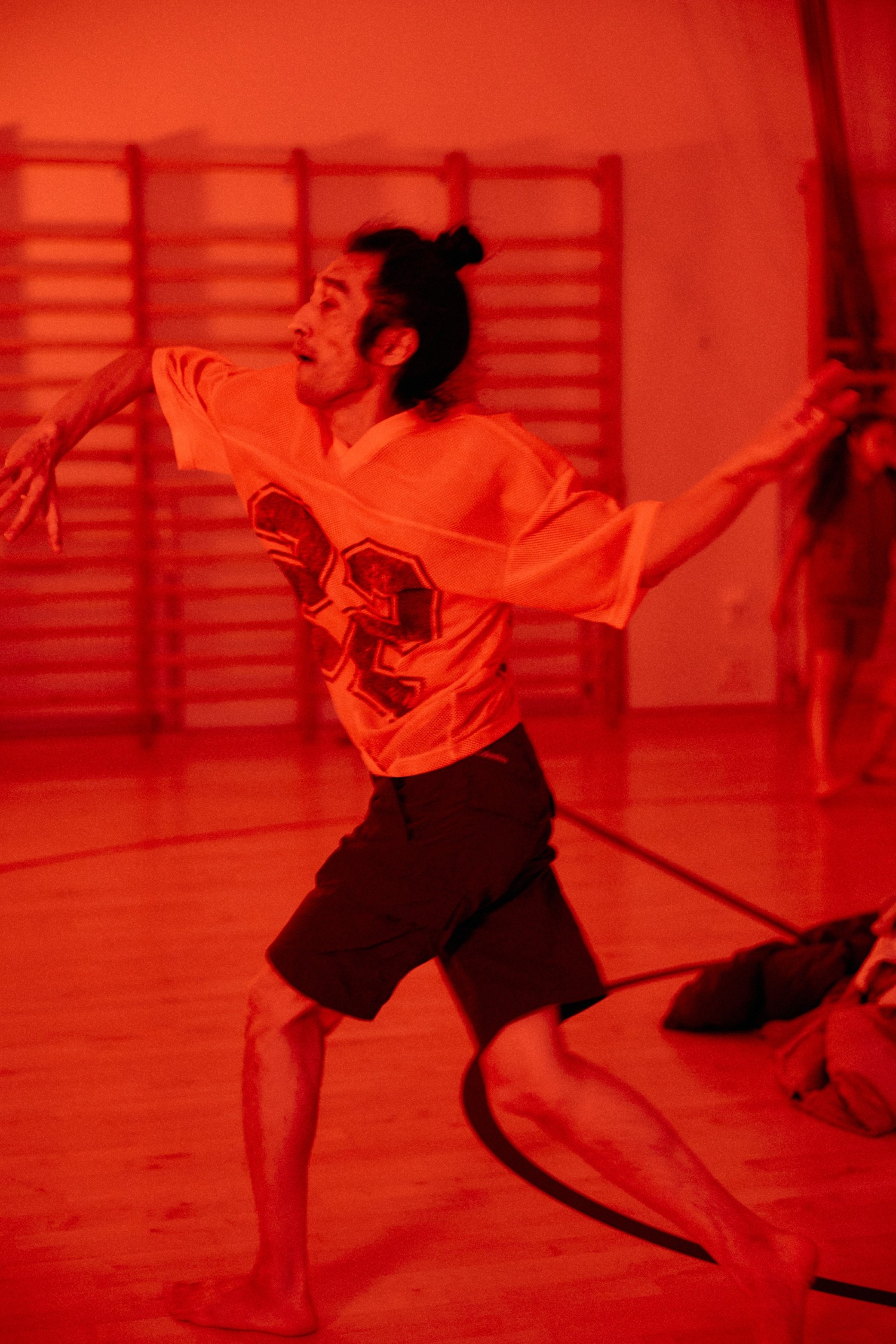
In this workshop, Janina and Tashi share movement tasks that are central to their collaboration with participants. They have worked together in the roles of dancer and choreographer, creating the dance works Tanssija (2023) and Lattia on laavaa (2025). Janina’s choreographic method is based on “dancing” concrete aspects of everyday life. Her tools for dancing and choreographing include rhythm, repetition, expanding movement, acceleration, amplification, and other ways of taking movement further from its original concrete point of observation. During the workshop, these dialogical methods between dancer and choreographer will be introduced and practiced.
Janina Rajakangas is a Helsinki-based choreographer, performer, and teacher. Her artistic work is driven by a passion for new performers, audiences, and environments for contemporary dance. “In my choreographies, it is essential to identify the agents within each work and generate content from their perspective. My works are windows into different parts of society—worlds in which, for example, young people, children, and older adults live.”
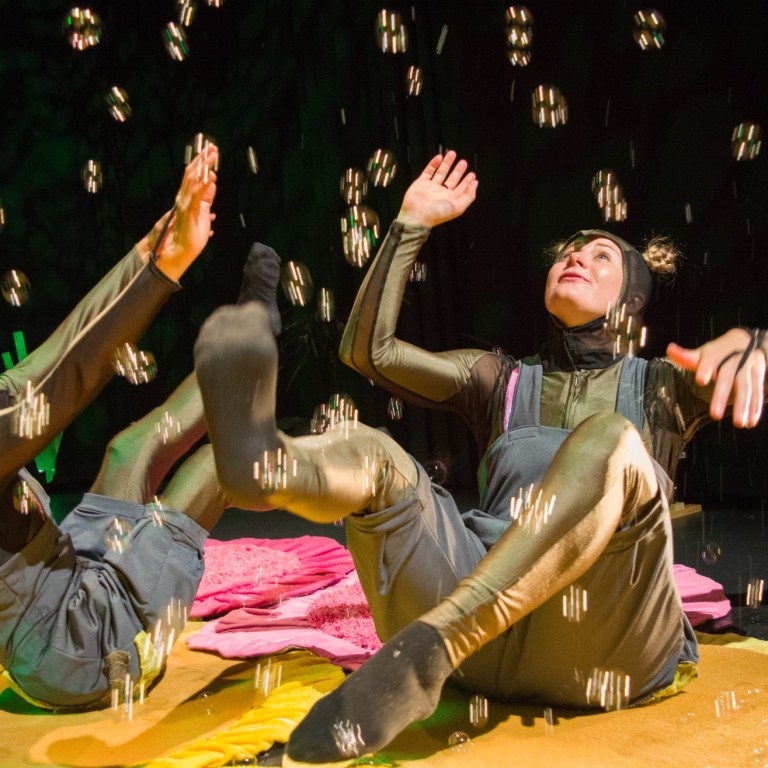
In her most recent works, Janina choreographs the news feed for the stage in Tulva (2026), featuring two professional dancers and 16 amateurs, and embodies the extreme phenomena caused by the eco-crisis with children and dancers in Floor is Lava (2025).
Her earlier works include the short film Kielo (2025), A Procession (2024, Norrdans), Tanssija (2023), and (Venus) (2022). Her works have been presented by and supported by, among others, Zodiak – Center for New Dance, Dance Theatre Minimi, CODA International Dance Festival, Kiasma Theatre, The Place Theatre, the Moving in November Festival, and the Baltic Circle Festival.
Turku-based performance artist/mover/butō practitioner Tashi Iwaoka earned a BA in Contemporary Arts from Nottingham Trent University (1997–2001, Nottingham, UK), studied dance and choreography as a guest student at the School for New Dance Development (2002–2003, Amsterdam, Netherlands), and performance research at DasArts (2004–2007, Amsterdam, Netherlands).
After his first butō experiences in 1997 under the guidance of Kazuo Ohno and Kim Itoh in Japan, Iwaoka engaged in butō-based bodywork for over ten years. Since 2010, he has been deeply influenced by budō, Japanese martial arts, and has worked to reach the core of human expression and connection through the movement skills he has acquired. One of his key driving forces is the effort to unite his Eastern roots with Western perspectives in order to form a more truthful understanding of what it means to be human in this world. He seeks to unfold the universality of Eastern wisdom to help us understand what it is to be human.
Register for the workshop here: https://forms.gle/UbE4muh6d5T6BN457